
The most common problems with flat roofs include ponding water, membrane deterioration, leaks from flashing failures, poor drainage, thermal movement damage, and structural sagging. These issues typically arise due to prolonged water exposure, material fatigue, or inadequate maintenance. Data across residential and commercial buildings shows that over 70% of flat roof failures originate from drainage inefficiencies and minor defects that were not addressed early, making routine inspection and timely repair critical for long-term performance.
What Is a Flat Roof?
A flat roof is a type of roofing system that appears level but actually has a slight slope to allow water to drain off. Unlike pitched roofs, which are designed to quickly shed rainwater, flat roofs are built with minimal incline, typically around 1 to 10 degrees to direct water toward drainage systems.
Flat roofs are commonly used in both residential and commercial buildings due to their modern appearance, cost-effectiveness, and efficient use of space. They also make it easier to install equipment like HVAC systems or even create usable areas such as rooftop gardens or terraces.
Key Characteristics of Flat Roofs
Flat roofs are built to be simple, practical, and easy to work with. Instead of steep angles, they have a gentle slope that allows for safer access and easier installation. This makes tasks like inspections, repairs, or adding equipment much more convenient.
They’re usually made up of several layers that each serve a purpose—insulation to control temperature, a waterproof layer to keep moisture out, and a protective top layer to handle weather exposure. Together, these layers help keep the building comfortable, protected, and energy efficient.
Common Materials Used
Several materials are used in flat roofing systems, each offering different benefits. Popular options include EPDM Rubber Roofing, TPO Roofing, and PVC Roofing. Traditional systems like Built-Up Roofing (BUR) and Modified Bitumen Roofing are also widely used.
Each material varies in durability, flexibility, and cost, so the right choice depends on your budget, climate, and maintenance preferences.
Advantages of Flat Roofs
Flat roofs come with a range of practical advantages. They are generally more affordable to install and much easier to access, which makes routine inspections and maintenance simpler and less time-consuming. Their level surface also opens up extra usable space—you can install solar panels, set up a rooftop seating area, or place equipment like HVAC units without hassle.
Another benefit is that flat roofs typically use fewer materials than sloped designs, helping reduce overall construction costs. For many property owners, this makes them a smart and budget-friendly roofing choice.
Flat roofs can also become a pleasant space for everyday living. With easy access—whether through a fixed staircase or a simple portable ladder—homeowners can turn the rooftop into a relaxing spot. It’s a great place to take a walk, do a bit of gardening, or just unwind and enjoy some fresh air. With a little setup, your flat roof can feel like an extra living area right at home.
Limitations to Consider
Despite their advantages, flat roofs require regular maintenance to perform well. Because water doesn’t run off as quickly, they are more prone to issues like ponding and leaks if drainage is not properly managed.
Routine inspections and timely repairs are essential to extend the lifespan of a flat roof and prevent costly damage.
Why Flat Roof Issues Demand Attention
For homeowners, real estate agents, and property renovators, flat roofs represent both an opportunity and a risk. Their modern aesthetic and space efficiency make them popular, but their performance depends heavily on proactive care.
Working with experienced providers such as Professional Roofing Specialist often reveals a consistent pattern: most flat roof failures are preventable. The issue is rarely the concept of a flat roof itself. It is how small, manageable problems are allowed to evolve into major structural concerns.
Understanding Why Flat Roofs Develop Problems
Some Flat roofs are not perfectly flat always, they are designed with a slight pitch to allow drainage. However, even minimal deviations in design, installation, or maintenance can disrupt this balance.
Key contributing factors include:
- Water retention due to low slope
- Continuous exposure to UV radiation
- Thermal expansion and contraction
- Material aging
- Inadequate installation practices
According to building performance research, moisture-related damage accounts for a significant portion of structural issues in low-slope roofing systems. Public infrastructure guidance from the UK Government also emphasizes drainage and weatherproofing as critical to long-term building integrity.
01. Ponding Water: The Primary Cause of Failure
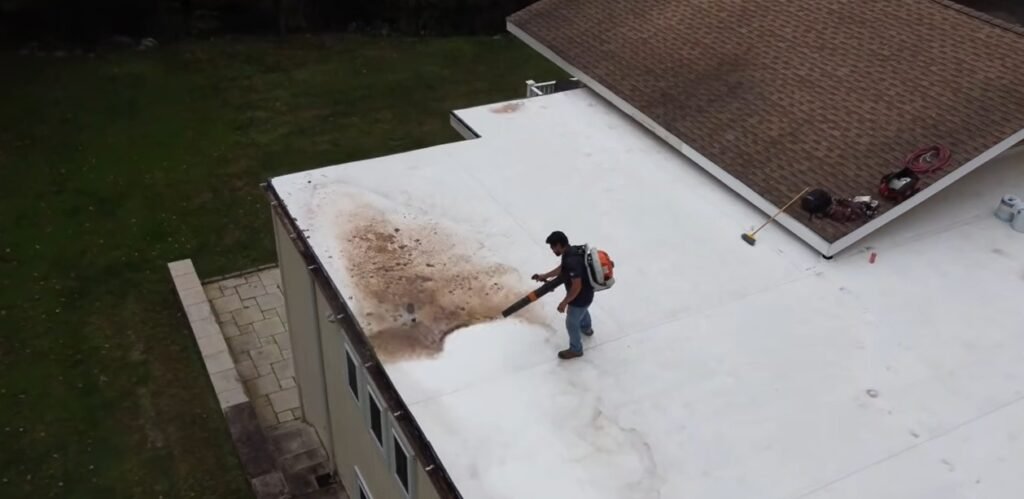
Ponding water refers to water that remains on the roof surface for more than 48 hours after rainfall. It is the most frequently reported issue in flat roofing systems. It can destroy the temper of the roof easily.
Why It Happens
- Blocked drainage outlets
- Poor roof slope design
- Structural sagging over time
Why It Matters
Standing water accelerates membrane breakdown, increases load stress, and creates ideal conditions for algae growth. Over time, it significantly reduces the lifespan of the roofing system.
Data Insight
Studies show that roofs with consistent ponding can experience up to 2x faster material degradation compared to properly drained systems.
2. Membrane Deterioration and Surface Cracking
The waterproof membrane is the first line of defense against environmental exposure. Over time, all materials degrade.
Common Signs
- Cracks and splits
- Blistering or bubbling
- Surface erosion
Causes
- UV exposure
- Temperature fluctuations
- Aging materials
Flat roof systems such as EPDM, GRP, and felt each have different lifespans, but all require periodic inspection. For a deeper technical overview, see Flat roof.
3. Flashing Failures and Joint Weakness
Flashings are installed at joints and transitions—areas inherently vulnerable to water ingress.
Common Issues
- Cracked sealant
- Loose flashing materials
- Gaps at roof penetrations
Impact
Even minor flashing failures can allow water to seep beneath the membrane, leading to hidden structural damage.
Routine inspection and sealing are essential to prevent these failures.
4. Persistent Leaks and Hidden Moisture Damage
Leaks are often the symptom rather than the root cause. By the time water becomes visible inside a property, damage has usually progressed.
Early Warning Signs
- Ceiling stains
- Damp odors
- Mold growth near rooflines
Timely intervention through roof leak detection and repair services designed for early-stage issues helps minimize both structural and financial impact.
5. Poor Installation and Workmanship Issues
Not all flat roof problems develop over time—many are present from the start.
Common Installation Errors
- Incorrect slope design
- Poorly sealed seams
- Inadequate drainage planning
Long-Term Impact
Installation flaws often lead to recurring issues that cannot be resolved through maintenance alone.
This is why selecting appropriate systems, such as modern flat roofing solutions using felt, GRP, or EPDM materials is critical from the outset.
6. Thermal Movement and Material Stress
Flat roofs expand and contract with temperature changes. Over time, this movement can weaken materials and joints.
Effects Include
- Cracking at seams
- Adhesive failure
- Warping of membrane layers
Data Perspective
Thermal cycling is a major contributor to long-term fatigue in roofing materials, particularly in climates with significant seasonal variation.
7. Blocked Drainage Systems
Drainage systems are essential for directing water away from the roof surface.
Causes of Blockage
- Leaves and debris buildup
- Moss and algae growth
- Poor maintenance
Consequences
Blocked drainage leads directly to ponding water, which in turn accelerates all other forms of damage.
8. Structural Sagging and Deck
Over time, structural components can weaken under constant load.
Causes
- Long-term water retention
- Aging materials
- Inadequate initial support
Warning Signs
- Visible dips in roof surface
- Repeated ponding in the same area
Structural issues often require more than surface-level repairs and may indicate the need for new roof installation for improved structural performance.
9. Edge Deterioration and Parapet Wall Issues
Flat roofs often connect with parapet walls, which can deteriorate over time.
Problems Include
- Cracked masonry
- Loose coping stones
- Water ingress at edges
These issues can often be addressed through targeted repointing work to restore masonry integrity.
10. Aging Roof Systems and Lifecycle Limitations
Every roofing system has a finite lifespan. Even with proper maintenance, materials eventually degrade beyond repair.
Indicators of Aging
- Frequent leaks
- Widespread cracking
- Increasing repair frequency
At this stage, transitioning to comprehensive roof replacement and installation services for long-term durability becomes more cost-effective than continued patch repairs.
Cost Analysis: The Impact of Ignoring Flat Roof Problems
Data from property maintenance studies highlights a clear cost trend:
- Early-stage repair: minimal cost
- Mid-stage damage: moderate structural repair costs
- Late-stage failure: full replacement expenses
In many cases, ignoring minor issues such as blocked drainage or small cracks leads to repair costs that are 5–10 times higher than preventive maintenance.
Flat Roof Problems in Real Estate and Renovation Contexts
For real estate professionals, flat roof condition directly influences:
- Property valuation
- Buyer confidence
- Survey outcomes
For renovators, identifying and resolving these issues early can:
- Reduce refurbishment costs
- Improve energy efficiency
- Extend asset lifespan
Flat roofs aren’t naturally troublesome, but without proper care, they can easily turn into costly problems.
Preventing Flat Roof Problems: A Strategic Approach
The most effective way to manage flat roof issues is through prevention.
Key Strategies
- Schedule biannual inspections
- Maintain drainage systems
- Address minor defects immediately
- Use high-quality materials
- Work with experienced professionals
Preventive care consistently outperforms reactive repairs in both cost and performance outcomes.
How to Fix Flat Roof Problems
Flat roof issues can usually be managed effectively if you catch them early and take the right steps. The key is not just fixing the visible damage, but also addressing the underlying cause to prevent the problem from coming back.
Identify the Root Cause
Before jumping into repairs, it’s important to understand what’s causing the issue. Whether it’s poor drainage, damaged membranes, or aging materials, finding the source helps you choose the right solution instead of applying a temporary fix.
Repair Leaks and Damaged Areas
Small cracks, punctures, or worn-out seams should be sealed as soon as possible using appropriate roofing materials. For larger or more severe damage, patching or replacing sections of the membrane may be necessary to restore proper waterproofing.
Improve Drainage
Many flat roof problems come from standing water. Clearing blocked drains, adding proper outlets, or adjusting the slope can help water flow off the roof more efficiently and reduce long-term damage.
Fix Blisters and Surface Damage
Blisters or bubbles in the roofing layer should be handled carefully. Minor ones can be monitored, but larger or broken blisters may need professional repair to prevent leaks and further deterioration.
Schedule Regular Maintenance
The best way to fix problems is to prevent them from getting worse. Routine inspections, cleaning debris, and checking for early signs of wear can save you from costly repairs later.
Consider Professional Help
While minor fixes can be handled on your own, complex issues are better left to professionals. An experienced roofing contractor can properly diagnose and repair problems, ensuring your flat roof stays durable and long-lasting.
Flat roof problems are predictable, measurable, and largely preventable. From ponding water and membrane deterioration to flashing failures and structural sagging, each issue follows a clear progression when left unaddressed. For homeowners, real estate agents, and renovators, understanding these common problems is the first step toward protecting property value and ensuring long-term performance. Consistent maintenance, informed decision-making, and timely intervention remain the defining factors between a durable flat roof and a costly failure.
Other Blog Post about Roof
What Maintenance Does a Flat Roof Need?
DIY vs Professional Roofing: A Data-Driven Guide for Property Owners in Weybridge
Roofing Inspection Checklist: A Data-Driven Guide for Property Owners in Weybridge
Flat Roof Lifespan Near Me: Data-Driven Insights for Property Owners in Northolt and Weybridge
Roofing Services Guide: A Data-Driven Overview of All Roofing Solutions in Northolt
Signs Your Roof Is Damaged: What Property Owners in West London Should Look For
What Does a Roofer Do West London? A Practical Guide for Homeowners and Property Professionals