
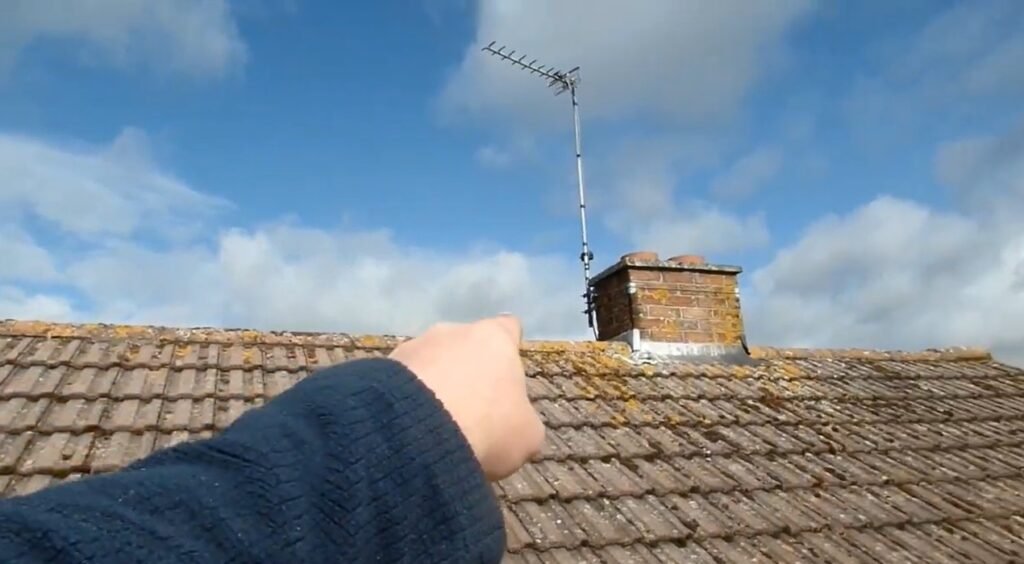
DIY roofing may seem cost-effective initially, but data shows that over 60% of DIY roofing repairs require professional correction within 2–5 years, often doubling the total cost. In contrast, professional roofing delivers longer lifespan, compliance with UK building standards, and significantly lower long-term risk. For property owners in Weybridge, the most efficient approach is typically a hybrid: minor maintenance handled carefully, while structural, repair, and installation work is completed by professionals. This reduces lifetime costs, improves safety, and protects property value. Obviously for a short period of time, DIY is still working, and we are going to explain everything now.
Understanding DIY Roofing: Scope and Limitations
DIY roofing typically includes small-scale tasks such as clearing debris, minor patching, or replacing a single tile. While these tasks may appear straightforward, roofing systems are complex and interconnected. Improper handling of even minor issues can lead to water ingress or structural stress. According to general roofing principles outlined in Roof – Wikipedia, roofs function as integrated systems where materials, drainage, and ventilation must work together. DIY work often overlooks these dependencies. In Weybridge, where weather exposure varies seasonally, small errors can escalate quickly, particularly during heavy rainfall or frost cycles.
Professional Roofing: What It Involves
Professional roofing encompasses inspection, repair, installation, and long-term maintenance. Contractors assess structural integrity, material condition, and drainage systems before recommending solutions. They also ensure compliance with building standards outlined by authorities such as the UK Planning Portal. Professional services include everything from leak repairs to full replacements, often supported by warranties. Providers like Professional Roofing Specialist offer integrated solutions, combining diagnostics and execution. This structured approach reduces uncertainty and ensures that roofing systems perform effectively over time, particularly in mixed residential and retail environments like Weybridge.
Cost Comparison: Short-Term vs Long-Term
DIY roofing appears cheaper upfront, but data shows a different long-term picture. Minor DIY fixes may cost £50–£300, while professional repairs typically range from £150–£2,000. However, incorrect DIY work often leads to further damage, increasing total costs by 50–100%. Professional roofing, while initially more expensive, delivers predictable outcomes and reduces repeat repairs. Over a 10-year period, professionally maintained roofs can cost up to 30% less overall due to fewer failures. For property professionals, this cost stability is particularly valuable when managing multiple assets.
Risk and Safety Considerations
Roofing is inherently hazardous, involving height, tools, and exposure to weather conditions. DIY roofing significantly increases the risk of accidents. The Health and Safety Executive consistently highlights working at height as a major cause of injuries in construction-related tasks. Professional roofers use safety equipment, scaffolding, and regulated procedures to minimise risk. For homeowners and retail property managers in Weybridge, safety is not just a personal concern but also a liability issue. Professional services reduce both physical risk and potential legal complications.
Quality of Workmanship and Durability
The durability of roofing work depends heavily on execution quality. DIY repairs often focus on visible issues rather than underlying causes. Professional roofers, by contrast, address root problems such as drainage inefficiencies or structural weaknesses. Data indicates that professionally installed roofs last 20–40 years, while poorly executed repairs may fail within a few seasons. High-quality workmanship ensures proper sealing, alignment, and material integration. This is particularly important in Weybridge properties, where aesthetic consistency and structural reliability both influence property value.
Time Efficiency and Project Management
DIY roofing projects often take longer than expected due to limited experience and unforeseen complications. What begins as a weekend task can extend into weeks. Professional roofing teams operate with defined timelines, access to materials, and coordinated workflows. This efficiency reduces disruption, especially for retail properties where downtime affects operations. In data terms, professional teams complete projects up to 3–5 times faster than DIY efforts. For real estate agents preparing properties for sale, this speed can be critical in meeting listing deadlines.
Compliance and Building Regulations
Roofing work in the UK must comply with building regulations, particularly for structural changes or replacements. DIY projects often overlook these requirements, leading to compliance issues. The UK Planning Portal outlines standards for insulation, ventilation, and structural integrity. Professional roofers are familiar with these requirements and ensure that all work meets legal standards. Non-compliance can result in penalties, reduced property value, or complications during property sales. For property professionals in Weybridge, regulatory compliance is a key consideration.
Impact on Property Value
Roof condition is a major factor in property valuation. Poorly executed DIY repairs can negatively affect survey results and buyer confidence. Visible inconsistencies or unresolved issues may lead to renegotiation or delays in transactions. Professionally maintained roofs, on the other hand, enhance curb appeal and provide assurance to potential buyers. Data shows that well-maintained roofing can increase property value by 5–10%. For real estate agents, this can directly influence sale outcomes and timelines.
When DIY Makes Sense
DIY roofing is suitable for limited, low-risk tasks. These include clearing gutters, removing debris, or conducting visual inspections. Such activities help maintain roof condition without significant risk. However, even in these cases, caution is essential. DIY should never involve structural work, extensive repairs, or tasks requiring specialised tools. For ongoing maintenance, combining DIY efforts with periodic professional inspections provides a balanced approach.
When to Choose Professional Roofing
Professional roofing is essential for repairs, installations, and any work involving structural elements. Situations requiring expert intervention include leaks, sagging roofs, damaged flashing, and full replacements. Services such as roofing services provide comprehensive solutions that address both immediate issues and long-term performance. For property owners in Weybridge, professional involvement ensures that roofing systems remain reliable under varying environmental conditions.
The Role of Supporting Services
Roof performance is influenced by surrounding elements such as walls, drainage systems, and exterior surfaces. Maintenance services like repointing work help preserve masonry integrity, while pressure washing removes debris that can affect drainage. Similarly, exterior and interior painting contributes to weather protection and insulation. Integrating these services creates a more comprehensive property maintenance strategy.
Installation Projects: Why Expertise Matters
New roof installation is one of the most complex roofing tasks. It involves structural assessment, material selection, and precise execution. Errors during installation can compromise the entire system. Professional services such as new roof installation ensure that all components are correctly integrated. Data shows that professionally installed roofs last significantly longer and require fewer repairs. For long-term property investment, professional installation is consistently the more reliable option.
Data Summary: DIY vs Professional Roofing
Factor | DIY Roofing | Professional Roofing |
Initial Cost | Low | Moderate to High |
Long-Term Cost | High (due to repairs) | Lower overall |
Safety Risk | High | Low |
Durability | Short-term | Long-term (20–40 years) |
Compliance | Often lacking | Fully compliant |
Property Value Impact | Neutral to Negative | Positive |
Conclusion
The choice between DIY and professional roofing is ultimately a decision about risk, cost, and long-term value. While DIY may offer short-term savings, data consistently shows that professional roofing delivers better outcomes in durability, safety, and overall cost efficiency.
For homeowners, real estate agents, and retail property managers in Weybridge, the most effective strategy is to reserve DIY efforts for minor maintenance while relying on experienced professionals for repairs and installations. This balanced approach ensures that roofing systems remain functional, compliant, and capable of protecting the property over time.
More Blog that relevant in Northolt areas
Flat Roof Lifespan Near Me: Data-Driven Insights for Property Owners in Northolt and Weybridge
Roofing Inspection Checklist: A Data-Driven Guide for Property Owners in Weybridge
Roofing Services Guide: A Data-Driven Overview of All Roofing Solutions in Northolt
Repointing Costs in Harrow: 2026 Price Guide for Homeowners
Common Chimney Problems: What Property Owners in Harrow Should Know
Signs Your Roof Is Damaged: What Property Owners in West London Should Look For
How to Tell If Your Gutters Need Repair in Harrow & Nearby Areas
What Does a Roofer Do West London? A Practical Guide for Homeowners and Property Professionals
Felt vs GRP vs EPDM Roofing For Harrow Homeowner
How to Know Your Roof Needs Repair: A Homeowner’s Guide to Spotting Problems Early
Common Roofing Problems Homeowners and Landlords in Harrow Shouldn’t Ignore
One Response