
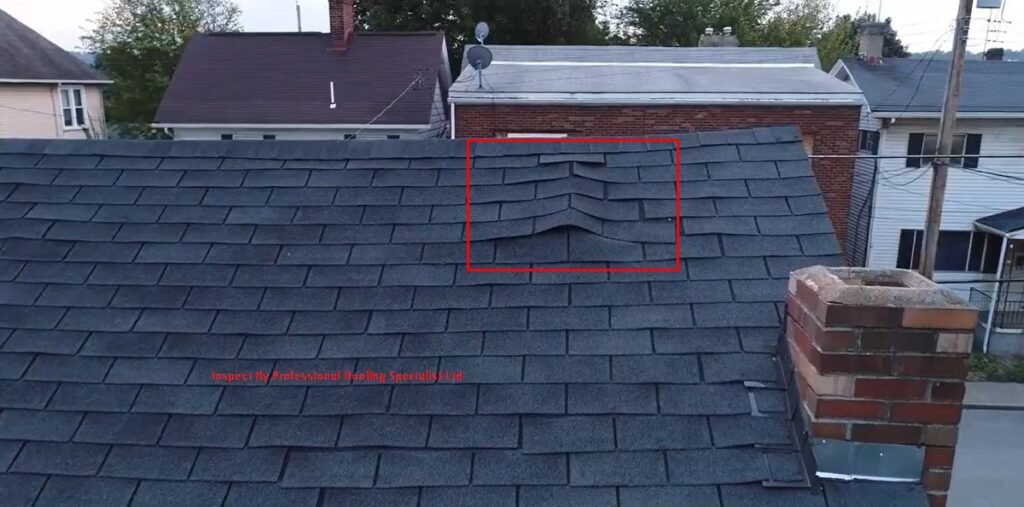
Roofing issues rarely begin with visible damage. More often, they develop gradually—through minor wear, unnoticed leaks, or small structural shifts that compound over time. For homeowners, real estate agents, and retail property managers in West London, regular roof inspections are one of the most effective ways to manage risk, control costs, and maintain property value.
A structured inspection checklist transforms roofing maintenance from a reactive task into a strategic process. When applied consistently, it allows property stakeholders to identify issues early, prioritise repairs, and make data-informed decisions about long-term investment.
This guide outlines a comprehensive roofing inspection checklist, supported by cost insights, performance data, and practical considerations relevant to London properties.
Why Roofing Inspections Matter in Weybridge: A Data Perspective
Roofing failures are among the leading causes of property damage in the UK, particularly due to water ingress. Early-stage detection significantly reduces repair costs and prevents structural deterioration.
According to guidance from the UK Planning Portal, maintaining roofs and drainage systems is essential for ensuring building safety, preventing damp issues, and preserving energy efficiency.
Key Data Insights
- Early detection can reduce repair costs by up to 40%
- Annual inspections extend roof lifespan by 20–30%
- Water damage accounts for a large percentage of structural repair claims
These figures highlight why inspections should be treated as a routine part of property management rather than an occasional task.
When Should You Inspect Your Roof?
Timing plays a critical role in effective inspections.
Recommended Inspection Frequency
- Twice annually: Spring and autumn
- After extreme weather: Storms, heavy rain, or strong winds
- Before property transactions: Sales or lettings
For real estate agents, inspections prior to listing can prevent delays during survey stages.
External Roof Inspection Checklist (Specially for Weybridge Area)
Regular external roof inspections are essential for properties in Weybridge, where seasonal rain, wind, moss growth, and occasional storms can quickly turn small issues into expensive repairs. Use this practical checklist to ensure your roof remains safe, weatherproof, and compliant with local property standards.
Checking roof tiles and slates is one of the most important parts of an external roof inspection, especially for properties in Weybridge where frequent rain, damp conditions, and seasonal temperature changes can affect roofing materials over time. A careful visual inspection from ground level or a safe vantage point can help identify early warning signs before they develop into costly repairs.
During the inspection, pay close attention to any cracked, chipped, or missing tiles, as these can expose the underlying structure to moisture and lead to leaks. Slipped slates are another common issue, particularly on older roofs, and they may create visible gaps or uneven lines across the roof surface. It is also important to look for signs of previous repair work that may be deteriorating, such as mismatched tiles or patchwork areas that appear loose or unstable. Ridge tiles along the roof peak should be checked carefully as well, since these are more exposed to wind and weather and can loosen over time.
In the Weybridge area, winter frost and repeated wet-dry cycles can cause roofing materials to expand and contract, gradually weakening their structure. Over time, this natural movement increases the risk of cracks and displacement. Regularly checking roof tiles and slates helps maintain the roof’s protective barrier and reduces the likelihood of water infiltration, internal damp problems, and long-term structural damage.
2. Inspect Roof Flashing
Flashing protects the vulnerable joints where the roof meets chimneys, walls, skylights, and vents.
What to look for:
- Loose or lifting flashing
- Rusted or corroded metal
- Cracks in sealant around flashing edges
- Gaps between flashing and roof surfaces
Common Weybridge risk factor:
Heavy rain and damp conditions can accelerate corrosion, particularly on older properties.
3. Examine Gutters and Downpipes
Blocked or damaged gutters are one of the most common causes of roof leaks and structural damage.
What to look for:
- Leaves, moss, or debris buildup
- Sagging or detached gutter sections
- Water stains on walls below gutters
- Overflow marks after rainfall
- Loose brackets or cracked joints
Local consideration:
Tree-lined streets in many Weybridge neighbourhoods increase the risk of gutter blockages, especially in autumn.
4. Check Fascias and Soffits
Fascias and soffits protect roof edges and support guttering systems.
What to look for:
- Rotting timber or peeling paint
- Cracks or holes in soffits
- Signs of water damage
- Pest entry points (birds, insects, rodents)
Why it’s important:
Persistent moisture from Surrey’s wet seasons can cause timber decay if not maintained.
5. Inspect Chimneys and Roof Penetrations
Chimneys, vents, and skylights are common leak points and require careful inspection.
What to look for:
- Cracked chimney mortar
- Loose chimney pots
- Damaged flashing around chimney base
- Moss growth on chimney surfaces
- Gaps around vents and skylights
Special note:
Older Weybridge homes often have traditional brick chimneys that may need periodic repointing.
6. Look for Moss, Algae, and Lichen Growth
Biological growth can trap moisture and weaken roofing materials over time.
What to look for:
- Thick moss buildup on shaded roof areas
- Dark algae streaks
- Lichen patches spreading across tiles
- Debris collecting under moss
Local relevance:
The damp climate and shaded gardens in Weybridge make moss growth particularly common.
7. Inspect Roof Valleys
Roof valleys channel large volumes of rainwater and are prone to leaks if damaged.
What to look for:
- Debris accumulation
- Cracked valley lining
- Rusting metal valley channels
- Water pooling or slow drainage
Risk factor:
Heavy rainfall typical in the Weybridge area increases the load on valley systems.
8. Check Roof Edges and Eaves
Roof edges are exposed to wind uplift and water runoff.
What to look for:
- Loose edge tiles
- Water staining along eaves
- Signs of rot or deterioration
- Damaged drip edges
Local risk:
Strong winds during seasonal storms can loosen edge components.
9. Assess Roof Ventilation Openings
Proper ventilation prevents moisture buildup and prolongs roof lifespan.
What to look for:
- Blocked vents
- Damaged vent covers
- Signs of condensation near vents
- Nesting debris blocking airflow
Why this matters:
Poor ventilation contributes to damp problems common in UK homes.
10. Check for Signs of Storm Damage
After severe weather, a quick inspection can prevent long-term issues.
What to look for:
- Dislodged tiles after high winds
- Debris impact damage
- Bent flashing
- Damaged gutters
- Fallen branches on roof surfaces
Weybridge weather note:
Occasional storms and heavy rainfall can cause sudden roof damage that isn’t always immediately visible.
Roofing Inspection Costs in London
Understanding inspection costs helps in planning maintenance budgets.
Typical Pricing
- Basic inspection: £100 – £300
- Detailed report: £250 – £600
- Drone inspections: £200 – £500
Cost vs Benefit
Investing in inspections can prevent repairs costing thousands of pounds, making it one of the most cost-effective maintenance activities.
When Inspection Leads to Action
An inspection is only valuable if it leads to informed decisions.
Common Outcomes
- Minor repairs (tiles, flashing)
- Gutter cleaning or replacement
- Structural assessment for larger issues
Escalation Scenarios
If widespread damage is identified, a full replacement may be required. In such cases, services like new roof installation in Harrow provide a long-term solution aligned with modern building standards.
Data-Driven Maintenance Strategy
For property professionals managing multiple assets, a structured approach improves efficiency.
Recommended Framework
- Inspection Schedule
Twice yearly + post-storm checks - Issue Classification
- Minor (monitor)
- Moderate (repair)
- Critical (replace)
- Budget Allocation
1–3% of property value annually - Lifecycle Planning
- Repairs: every 5–10 years
- Replacement: every 20–40 years
This approach reduces unexpected costs and ensures consistent property performance.
Choosing a Roofing Service in London
Selecting the right provider is essential for accurate inspections and reliable follow-up work.
What to Look For
- Experience with West London property types
- Ability to provide detailed inspection reports
- Transparent pricing and timelines
- Range of services beyond inspection
Working with a trusted roofing service in London ensures that inspections translate into actionable, high-quality maintenance. Companies like Professional Roofing Specialist offer both diagnostic and repair services, allowing for continuity in project execution.
Common Mistakes to Avoid
Skipping Routine Inspections
Waiting for visible damage often leads to higher repair costs.
Ignoring Minor Issues
Small problems—such as a single cracked tile—can escalate quickly.
DIY Assessments Without Expertise
While visual checks are useful, professional inspections provide a more comprehensive analysis.
More Blog that relevant in Harrow areas
Emergency Chimney Repair Near Me: A Data-Driven Guide for Property Owners in Northolt
Roofing Services Guide: A Data-Driven Overview of All Roofing Solutions in Northolt
Repointing Costs in Harrow: 2026 Price Guide for Homeowners
Common Chimney Problems: What Property Owners in Harrow Should Know
Signs Your Roof Is Damaged: What Property Owners in West London Should Look For
How to Tell If Your Gutters Need Repair in Harrow & Nearby Areas
What Does a Roofer Do West London? A Practical Guide for Homeowners and Property Professionals
Felt vs GRP vs EPDM Roofing For Harrow Homeowner
How to Know Your Roof Needs Repair: A Homeowner’s Guide to Spotting Problems Early
Common Roofing Problems Homeowners and Landlords in Harrow Shouldn’t Ignore
Conclusion
A roofing inspection checklist is more than a maintenance tool—it is a strategic framework for protecting property value and reducing long-term costs. In West London, where weather exposure and property diversity create unique challenges, structured inspections are essential.
By combining external and internal checks, analysing key risk areas, and acting on findings promptly, property owners and professionals can maintain roofing systems more effectively. Data consistently shows that early intervention leads to better financial and structural outcomes.
Ultimately, a well-maintained roof is not just about avoiding problems—it is about ensuring that a property remains stable, efficient, and resilient over time.