
Flat roofs require consistent, preventive maintenance centered on three priorities: effective drainage, membrane integrity, and early detection of minor defects. The most important actions include scheduled inspections at least twice per year, removal of debris to prevent standing water, resealing flashing and joints, monitoring surface wear across materials like EPDM, GRP, and felt, and resolving small cracks or leaks before they expand. Data across building lifecycle studies shows that proactive maintenance can extend a flat roof’s lifespan by up to 50%, while neglected drainage and delayed repairs remain the primary drivers of premature failure.
Why you should maintain flat roofs
Flat roofs are structurally efficient but operationally sensitive. Unlike pitched roofs, they do not naturally shed water as quickly, which increases exposure to moisture-related risks. For homeowners, real estate agents, and renovators, this translates into a higher dependency on consistent upkeep.
Moisture intrusion remains one of the leading causes of building envelope failure, often resulting in insulation damage, timber decay, and interior deterioration. In flat roofing systems, these issues tend to develop gradually, making regular maintenance essential rather than optional.
Common Issues with Flat Roofs
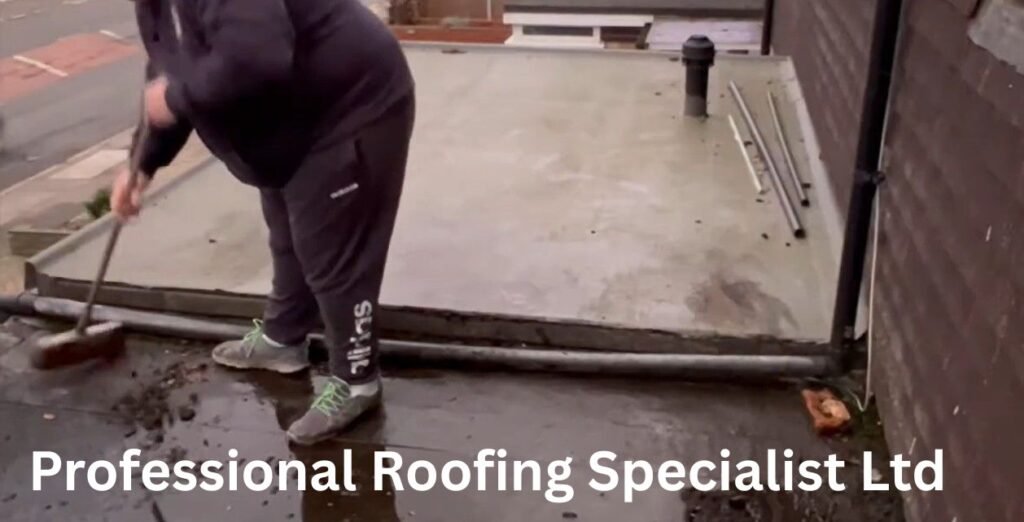
Flat roofs are popular for their modern look and cost efficiency, but they come with a few common problems especially if regular maintenance is overlooked. Because they don’t shed water as easily as pitched roofs, even small issues can turn into bigger, more expensive repairs over time. Understanding these common problems helps you spot warning signs early and keep your roof in good condition.
Leaks
Leaks are one of the most frequent issues with flat roofs. They often occur due to cracks, damaged membranes, or poorly sealed joints around vents and skylights. Since water tends to sit longer on flat surfaces, even a tiny opening can allow moisture to seep in.
Over time, leaks can lead to interior water damage, mold growth, and insulation problems. Regular inspections—especially after heavy rain—can help identify weak spots before they turn into serious leaks.
Ponding
Ponding refers to water that remains on the roof for more than 48 hours after rainfall. This usually happens when there’s poor drainage or slight sagging in certain areas of the roof.
Standing water adds extra weight and can gradually weaken the roofing material. It also increases the risk of leaks and accelerates wear and tear. Keeping drains clear and ensuring proper slope can significantly reduce ponding issues.
Blistering
Blistering is another common issue affecting flat roof membranes, particularly multi-layer systems like Modified Bitumen Roofing and Built-Up Roofing (BUR). It appears as raised bubbles or pockets on the surface, typically caused by trapped moisture or air between layers. This can result from poorly sealed seams, physical damage, aging materials, or prolonged exposure to extreme heat and freeze-thaw cycles.
Blistering can reduce your roof’s effectiveness and lifespan by weakening the bond between layers, compromising waterproofing, and increasing the risk of leaks. In some cases, it can also create uneven surfaces that pose slip or trip hazards.
To minimize the risk of blistering, it’s important to use high-quality materials during installation, carry out regular inspections to catch early warning signs, and address any developing blisters promptly as part of your ongoing flat roof maintenance routine. That’s why we Professional Roofing Specialist Ltd bring you a total solution for you. Where you can get everything under one roof. Contract us for more accurate information.
Understanding the Structure of a Flat Roof System
A typical flat roof consists of multiple interdependent layers:
- Waterproof membrane (EPDM, GRP fiberglass, or felt)
- Insulation
- Structural decking
- Flashings at edges and penetrations
- Drainage outlets
Each component requires targeted attention. Maintenance is most effective when it considers the system as a whole rather than focusing only on visible wear.
Core Maintenance Requirements for Flat Roofs
Scheduled Inspections: The Foundation of Longevity
Biannual inspections—ideally in spring and autumn—help identify early-stage issues before they escalate. Additional checks after storms or heavy rainfall are also advisable.
Inspection focus areas include:
- Membrane surface condition
- Seams and joints
- Flashing integrity
- Signs of ponding water
- Early leak indicators
Economic studies in building maintenance consistently show that preventive care significantly reduces long-term repair costs.
Drainage Management: The Most Critical Variable
Water accumulation is the most common and damaging issue affecting flat roofs. Even minor blockages can lead to prolonged standing water, accelerating material degradation and increasing structural load.
Routine maintenance should include:
- Clearing leaves and debris from outlets
- Checking gutter flow
- Ensuring water drains efficiently across the surface
Guidance from the UK Government highlights drainage performance as a key factor in preventing structural deterioration in buildings.
Membrane Care and Material-Specific Maintenance
Different materials require different approaches:
EPDM Rubber Roofing
- Inspect for seam separation
- Check adhesive performance
- Clean surface regularly
GRP Fiberglass Roofing
- Monitor for cracks in topcoat
- Maintain UV protection layer
- Address localized damage quickly
Felt Roofing
- Watch for blistering
- Reinforce weakened seams
- Assess bitumen condition
For technical background on flat roofing systems, refer to Flat roof.
4. Flashing and Joint Integrity
Flashings are common failure points where water ingress begins. These include areas around chimneys, vents, skylights, and wall junctions.
Maintenance tasks include:
- Resealing joints
- Replacing damaged flashing
- Checking for micro-gaps
Even minor flashing failures can result in significant internal damage if left untreated.
Early Leak Detection and Targeted Repairs
Small leaks are often invisible until they affect interior spaces. Warning signs include damp patches, stains, and persistent odors.
Timely intervention through professional roof leak detection and repair services helps prevent structural complications and reduces repair costs.
The Role of Preventive Maintenance in Property Value
For real estate professionals, roof condition is a key determinant of property value. Buyers and surveyors pay close attention to signs of neglect, particularly in flat roofs.
A well-maintained roof:
- Improves buyer confidence
- Reduces negotiation risks
- Supports stronger valuations
Documented maintenance history often becomes a valuable asset during property transactions.
Common Flat Roof Problems—and How Maintenance Prevents Them
Ponding Water
Cause:
- Blocked drainage or structural sagging
Prevention:
- Routine debris removal
- Regular outlet checks
Membrane Blistering
Cause:
- Trapped moisture beneath surface
Prevention:
- Early detection during inspections
- Immediate repair of small defects
Seam and Edge Failure
Cause:
- Adhesive breakdown or wind uplift
Prevention:
- Reinforcement during maintenance checks
- Reapplication of bonding materials
Structural Deck Damage
Cause:
- Long-term water exposure
Prevention:
- Rapid leak response
- Moisture monitoring
Connecting Maintenance with Broader Roofing Solutions
Maintenance often reveals when additional work is required. Instead of viewing it as isolated upkeep, it should inform broader roofing decisions.
For example:
- Surface wear may indicate the need for flat roofing system installation using felt, GRP, or EPDM materials
- Masonry deterioration near rooflines can be addressed through professional repointing work for structural preservation
- Aging systems may require new roof installation for long-term structural reliability
- Persistent issues identified during inspections can benefit from advanced roof leak detection and repair solutions
- Comprehensive upgrades often align with complete roof replacement and installation services in Harrow and Surrey
Each of these interventions is typically triggered by insights gained during routine maintenance.
Seasonal Maintenance Checklist
Spring
- Assess winter damage
- Clear drainage systems
- Repair minor surface defects
Summer
- Monitor UV exposure effects
- Clean organic buildup
Autumn
- Remove leaves and debris
- Prepare for increased rainfall
Winter
- Check for load stress from snow
- Monitor ice formation impacts
Data Insights: Maintenance vs Replacement Costs
Industry data indicates a clear cost hierarchy:
- Preventive maintenance: minimal annual investment
- Reactive repairs: significantly higher due to damage spread
- Full replacement: highest cost, often avoidable
This reinforces a simple principle: early intervention consistently outperforms delayed action.
Flat Roof Maintenance for Renovators and Property Developers
For renovators and developers, maintenance provides a strategic advantage. It allows:
- Cost control during refurbishment
- Extension of existing roof lifespan
- Better allocation of renovation budgets
Rather than immediate replacement, many projects benefit from targeted maintenance combined with selective upgrades.
When Maintenance Is No Longer Enough
Despite best practices, every roofing system has a finite lifespan. Warning signs that maintenance may no longer suffice include:
- Recurrent leaks despite repairs
- Widespread membrane deterioration
- Structural sagging
- Increasing maintenance frequency
At this stage, transitioning to a new system becomes a more practical long-term solution.
Final Thought for Maintenance for Flat Roof
Flat roof maintenance is a structured process built on inspection, drainage management, and early repair. When executed consistently, it extends lifespan, reduces costs, and safeguards property value. Across residential and commercial contexts, the difference between a high-performing flat roof and a failing one is not just material quality—it is the discipline of ongoing maintenance.